
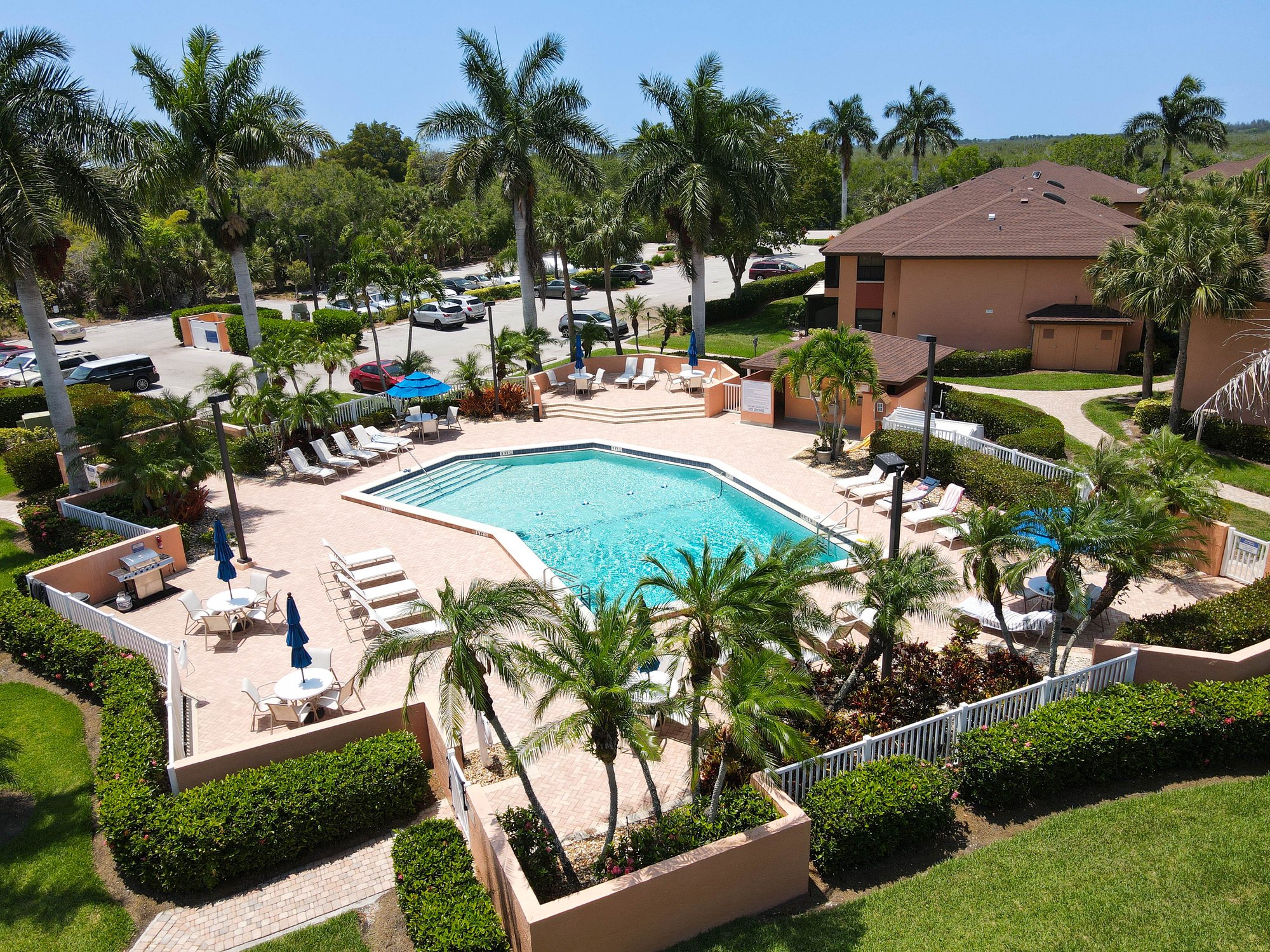
HDR real estate photography blends several exposures of the same frame, three to seven, into a single image where bright windows, deep shadows, and true colors all stay readable. In Naples homes, that means the Gulf view, the white kitchen, and the shaded lanai finally photograph the way buyers see them in person.
How HDR Real Estate Photography Works
On an HDR shoot, the camera stays locked on a tripod while it captures a bracketed series of exposures: one metered for the bright end of the scene, one for the shadows, and several in between. Editing software then blends the best-exposed parts of each frame into one natural-looking photo. Done well, HDR is invisible; the room simply looks right, with no gray windows, no black corners, and no glowing halos around the palm trees. Done poorly, it produces the over-processed look that makes buyers scroll past a listing, which is why professional processing matters as much as the camera work.
Why HDR Matters More in Southwest Florida
Naples interiors are a worst-case scenario for a single camera exposure. Homes here are built around light: floor-to-ceiling sliders, lanais, pool decks, and water or golf views that are many times brighter than the room itself. A single exposure has to choose. Either the interior looks right and the view burns out to white, or the view survives and the room goes dark. HDR keeps both, and that matters because in this market the view is often the most valuable feature being sold. A Vanderbilt Beach condo without the Gulf in the windows, or a Marco Island estate without the water behind it, is missing the point of the listing.
HDR vs. Single-Exposure and Flash Photography
Flash and bracketed HDR are both legitimate capture tools. Flash can control color and shape light, while bracketing records several ambient exposures for later blending. Large, open Florida floor plans require one method or a combination depending on window brightness, reflective surfaces, room depth and the intended look. The photographer’s job is to choose a repeatable method and keep colors, verticals and window views believable.
How does HDR bracketing differ from flash blending?
HDR bracketing captures a fixed composition at multiple shutter speeds: darker frames protect bright windows, middle frames preserve the room, and brighter frames reveal shadow detail. Editing combines selected information without changing the permanent property. Flash blending adds controlled light to one or more frames and can improve color or definition when ambient light alone is inconsistent.
| Capture method | Primary strength | Quality risk to control |
|---|---|---|
| Bracketed HDR | Records a wide brightness range with ambient character | Halos, gray windows, color casts or an over-processed finish |
| Flash blending | Adds controlled light and color separation | Uneven pools of light, reflections or an artificial look |
| Hybrid capture | Combines window control, ambient detail and selective flash | Inconsistent processing between rooms |
No method is automatically best for every room. A Gulf-facing condo, deep great room and small interior bathroom present different light problems. Review examples within Naples real estate photography and the local Bonita Springs photography service. The finished set preserves plausible window views, neutral whites, straight verticals and consistent color across the property.
What HDR Does for Your Listing
Bright, balanced photographs help a viewer evaluate rooms and exterior relationships without losing important detail. TrueVision uses HDR capture and professional color correction as part of its real estate photography workflow. The same accuracy-first approach supports vacation rental photography, where guests need a consistent view of rooms, amenities and outdoor spaces.
Where HDR Makes the Biggest Difference
A few situations where HDR earns its keep on every Naples shoot: Gulf-front condos where the entire far wall is glass, canal homes on Marco Island where the pool cage would otherwise turn into a silhouette, golf-course villas in Bonita Springs and Estero photographed against bright fairways, and twilight exteriors, where HDR blends glowing interior lighting with the last color in the sky. For the luxury twilight side of this, see how twilight photography improves luxury listings.
Does HDR Photography Cost Extra in Naples?
No. HDR capture and processing are included in TrueVision real estate photography, with current packages starting at $175. Property scope and selected deliverables determine the final quote. Call 239-420-0789, review the current pricing, or request a property-specific quote.
A listing that also needs a walkthrough tour has a second decision to make about the platform. Compare the two in Zillow 3D Showcase vs Matterport for Naples listings, which covers what changed for Zillow distribution and which format suits each property.
